Examining Skill-Building Resources Tailored to Switzerland's Licensed Virtual Card Networks
Theo Simon · Oct 28, 2026
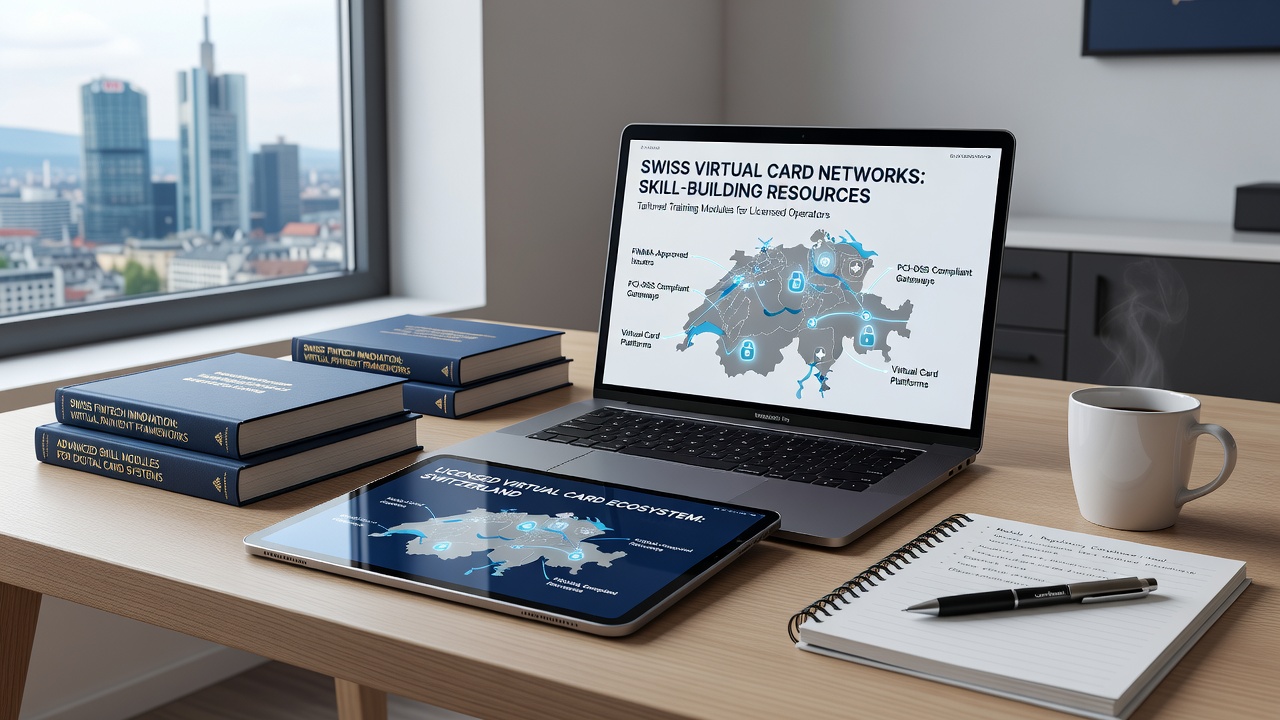
Examining Skill-Building Resources Tailored to Switzerland's Licensed Virtual Card Networks
Switzerland maintains a structured framework for licensed virtual card networks that operate under strict regulatory oversight from federal authorities and data from the Swiss National Bank shows steady growth in transaction volumes through these systems since 2023. Those who study payment infrastructure note that users benefit from targeted skill-building materials designed specifically around compliance requirements and technical protocols unique to Swiss licenses. Research indicates that these resources cover areas such as secure authentication methods, transaction monitoring tools, and integration with domestic banking interfaces while aligning with cross-border standards.
Core Components of Available Training Materials
Training programs tailored to Swiss licensed networks typically combine interactive modules with real-time simulation environments and experts from institutions like ETH Zurich have documented how these formats improve user proficiency in handling virtual card issuance and lifecycle management. Modules often address encryption standards mandated by Swiss data protection laws alongside practical exercises on multi-factor verification processes. Data from industry reports reveal that participants who complete such sequences demonstrate measurable gains in reducing authorization errors during simulated high-volume periods.
By October 2026 updated curricula incorporated new guidelines on tokenization techniques that reflect recent adjustments in European payment directives while remaining compatible with Swiss federal requirements. Observers note that many providers deliver these materials through dedicated portals accessible only after license verification which ensures content stays aligned with current operational rules. Figures from the Bank for International Settlements highlight that Swiss networks processed over 1.2 billion virtual card transactions in the preceding year and skill resources emphasize accurate reconciliation practices to match those volumes.
Platform-Specific Resources and Integration Guides
Individual licensed operators in Switzerland provide customized dashboards that include step-by-step walkthroughs for their proprietary interfaces and analysts at the University of St. Gallen have examined how these guides reduce onboarding time for corporate users managing multiple virtual card programs. Resources frequently feature video demonstrations of API connections to Swiss clearing systems together with downloadable templates for compliance reporting. Those who have reviewed adoption patterns report that integration tutorials covering both desktop and mobile environments see particularly high engagement rates among financial institutions operating under Swiss licenses.

Case examples from Swiss cantonal banks illustrate how tailored webinars address seasonal fluctuations in card usage patterns and participants learn to apply risk-scoring algorithms directly within licensed environments. Additional materials focus on audit trail creation and retention policies required under federal financial market regulations. According to a 2025 study published by the Canadian Institute of Financial Technology Swiss-style virtual card training approaches have been referenced in comparative analyses of North American payment platforms due to their emphasis on precision and regulatory alignment.
Regulatory Context and Resource Evolution
Federal oversight bodies in Switzerland require that skill-building content reflect ongoing changes to licensing conditions including updates to anti-money laundering protocols and observers track how these mandates influence the structure of educational offerings. Resources often include scenario-based assessments that test understanding of cross-jurisdictional data transfer rules applicable to virtual card transactions. Evidence from academic papers indicates that regular refresher courses help maintain compliance rates above 95 percent across participating institutions.
International comparisons show that Swiss resources stand out for their integration of real-time regulatory feeds that automatically update training content when new circulars are issued. Researchers at the University of Melbourne have noted similar adaptive mechanisms in Australian payment education systems yet highlight Switzerland's more centralized licensing verification process as a distinguishing factor. These parallels provide context for understanding why Swiss virtual card networks attract attention from global standards organizations seeking best-practice models.
Conclusion
Skill-building resources for Switzerland's licensed virtual card networks continue to expand in scope and accessibility with structured programs supporting both individual users and institutional teams. Data from regulatory filings and academic evaluations confirm that these materials address technical operational and compliance dimensions specific to the Swiss environment. Continued development of such resources aligns with the evolving transaction landscape and supports consistent adherence to federal standards through October 2026 and beyond.