How Swiss Data Privacy Protocols Shape Anonymity Approaches in Licensed Mobile Card Platforms
Klara Long · Oct 14, 2026
How Swiss Data Privacy Protocols Shape Anonymity Approaches in Licensed Mobile Card Platforms
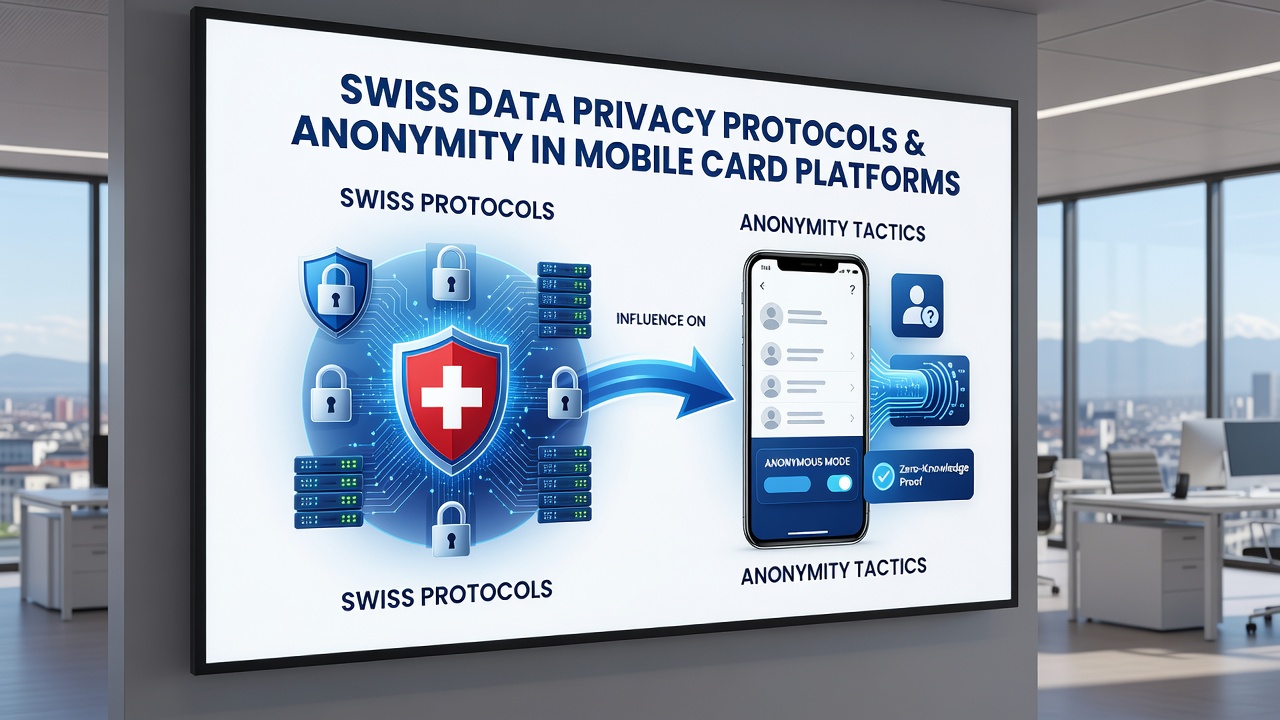
Swiss data protection rules under the revised Federal Act on Data Protection create specific boundaries for how licensed mobile card platforms handle user information, and these boundaries directly affect the anonymity tactics available to players on those platforms. Licensed operators must balance strict identification requirements for regulatory compliance with data minimization principles that limit unnecessary collection and processing of personal details. This setup leads developers to implement features such as pseudonym-based accounts, encrypted session management, and restricted data retention periods that support user anonymity while meeting legal standards.
Core Elements of Swiss Privacy Rules in Digital Gaming
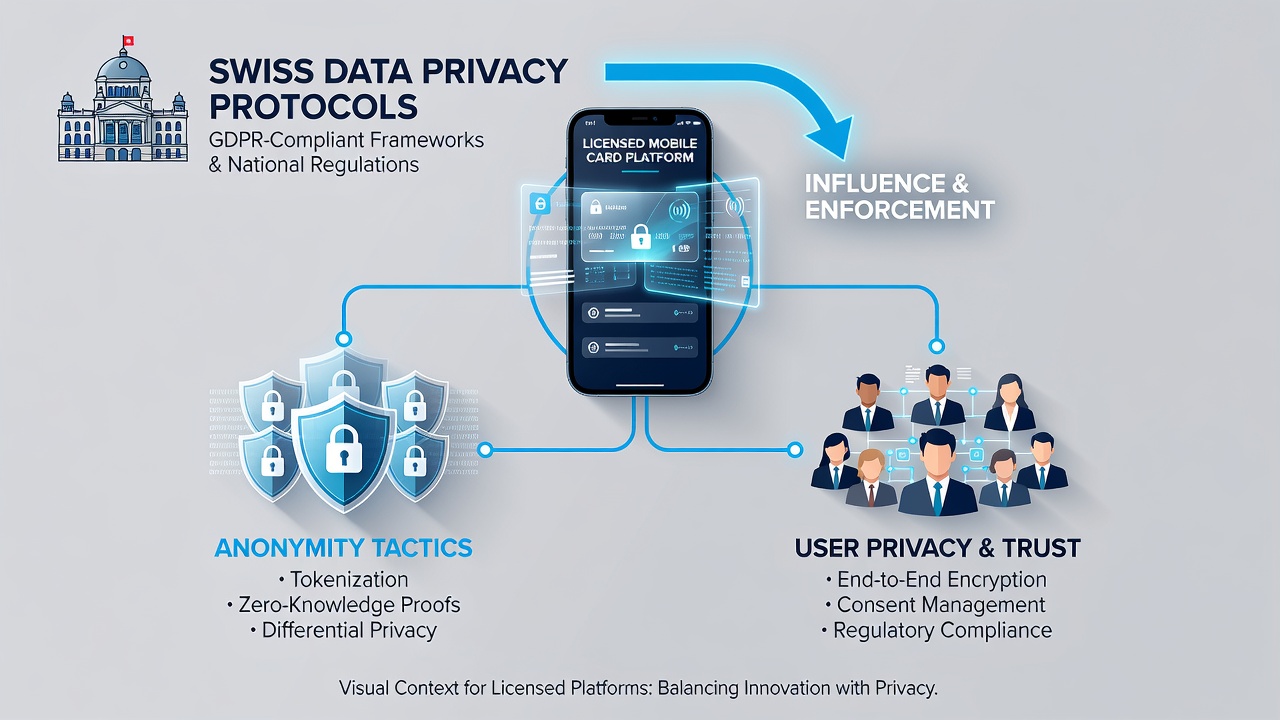
The Federal Data Protection and Information Commissioner oversees enforcement of these protocols, which emphasize purpose limitation and user consent for any data processing activities. Licensed mobile card platforms operating in Switzerland therefore design systems that collect only the minimum data required for account verification and transaction processing, while avoiding broader profiling that could compromise anonymity. Data shows these constraints encourage the adoption of technical measures like end-to-end encryption for in-app communications and tokenization of payment details, which reduce the exposure of identifiable information during gameplay.
Observers note that platforms integrate these measures into their architecture from the outset, because Swiss law imposes accountability on data controllers for any breaches or unauthorized disclosures. In October 2026, compliance audits highlighted several operators updating their data handling workflows to align with evolving interpretations of cross-border data transfers, further influencing how anonymity tools are deployed across user bases.
Anonymity Tactics Shaped by Regulatory Requirements
Players on licensed platforms often rely on platform-provided pseudonyms combined with separate authentication layers that do not link directly to real-world identities beyond initial KYC checks. Research indicates this approach stems from data protection rules that prohibit excessive linkage of gaming behavior to personal profiles without explicit justification. Payment methods integrated into these apps frequently incorporate privacy-preserving options such as prepaid instruments or tokenized cards, which limit the trail of financial data that could otherwise deanonymize users.
Security protocols on these platforms also incorporate regular data deletion schedules, which align with Swiss requirements for storing personal information only as long as necessary. Those who manage platform operations report that such schedules reduce the risk of long-term data accumulation that might undermine anonymity over time. External analyses from sources including the Federal Data Protection and Information Commissioner confirm that operators must document these practices to demonstrate ongoing compliance.
Technical Implementations and Platform Adaptations
Developers respond to these rules by building in features like differential privacy techniques during analytics processing, which aggregate user data without exposing individual patterns. This method supports platform optimization while preserving the anonymity that Swiss protocols prioritize. Case examples from multiple licensed providers show integration of zero-knowledge proofs for certain verification steps, allowing confirmation of eligibility without revealing additional personal attributes.
Network-level protections, including mandatory use of secure connections and restrictions on third-party tracking scripts, further reinforce these tactics. Figures from industry reports reveal that platforms adopting such layered approaches experience fewer incidents of data linkage attempts, because the underlying architecture limits the availability of raw identifiers. A study published by the Office of the Australian Information Commissioner on comparable privacy frameworks notes similar patterns in regulated digital environments where data minimization drives anonymity by design.
Conclusion
Swiss data privacy protocols establish clear parameters that licensed mobile card platforms must follow when enabling user anonymity, resulting in consistent technical and procedural adaptations across the sector. These adaptations include pseudonym systems, encryption standards, and controlled data lifecycles that collectively shape how players interact with the platforms while maintaining regulatory alignment. Ongoing developments in enforcement and technology continue to refine these interactions without altering the fundamental emphasis on data protection principles.