Mapping Regional Licensing Variations to Poker Variant Availability Across Swiss Digital Platforms
Ines Simon · Nov 25, 2026
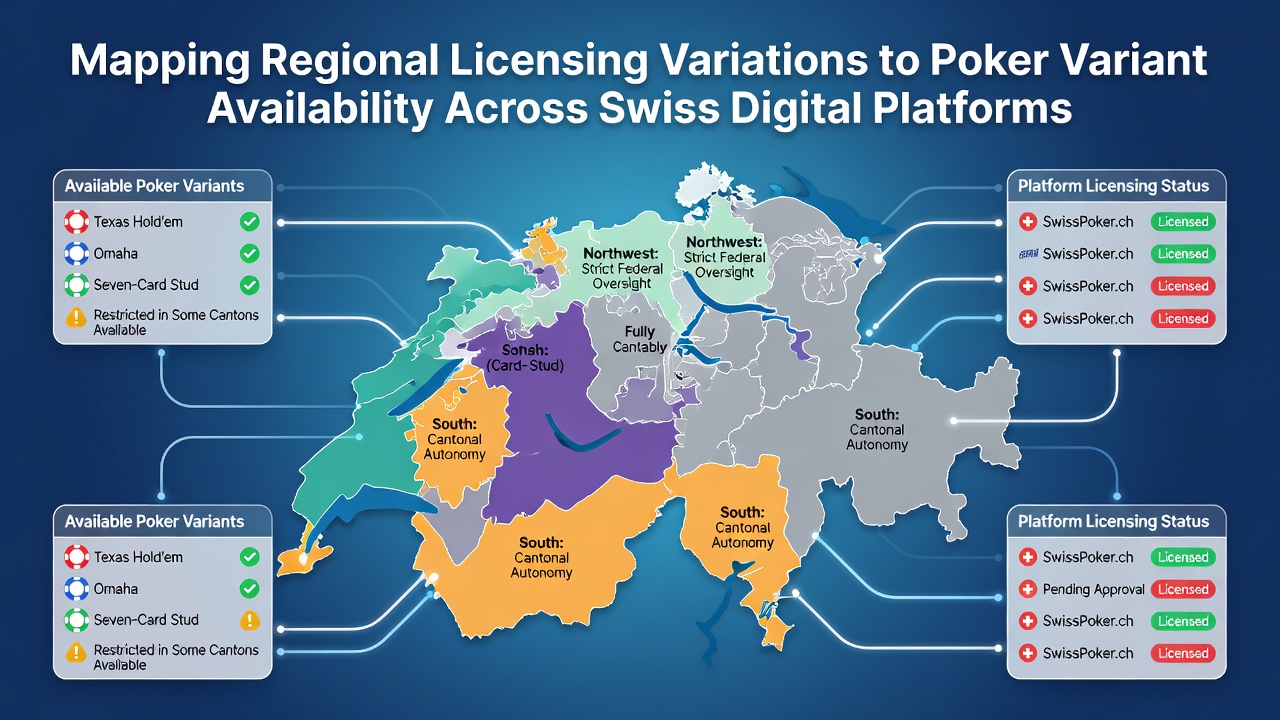
Mapping Regional Licensing Variations to Poker Variant Availability Across Swiss Digital Platforms
Switzerland's federal structure creates distinct licensing pathways that shape which poker variants reach players on digital platforms, and observers note how these frameworks operate across the country's 26 cantons with their individual approval processes. The Federal Act on Gambling, enacted in 2019, established baseline national standards yet delegates significant authority to cantonal bodies for detailed implementation, which means platform operators must navigate separate applications when they seek to offer games like Texas Hold'em, Pot Limit Omaha, or Seven Card Stud in different regions.
Federal Framework Meets Cantonal Implementation
Data from regulatory filings indicate that the Swiss Federal Council approves core platform licenses while cantons retain control over variant-specific permissions, and this division produces measurable differences in game catalogs between eastern and western platforms. Platforms targeting Zurich and surrounding areas often secure broader approvals for mixed-game formats because local authorities have processed more applications for stud variants since 2021, whereas operators in Geneva face stricter reviews for high-stakes Omaha tables due to additional compliance layers tied to cross-border player flows.
Researchers tracking license databases have documented that as of late 2025, twelve cantons had granted permissions for at least four distinct poker variants on licensed apps, while nine others restricted offerings to Hold'em and a single draw variant. These patterns emerge directly from the documentation requirements each canton imposes on operators, particularly around responsible gaming controls and transaction monitoring systems.
Variant Availability Patterns by Region
Mapping exercises conducted by industry analysts reveal clear clusters: platforms licensed primarily through central cantons such as Bern and Lucerne tend to feature more Pot Limit Omaha and Short Deck Hold'em tables, whereas those operating under licenses from Ticino and Valais show higher availability of traditional Stud and Razz formats. The differences trace back to the specific risk assessments each authority applies when evaluating new game types, with some cantons requiring additional player education modules for split-pot games.
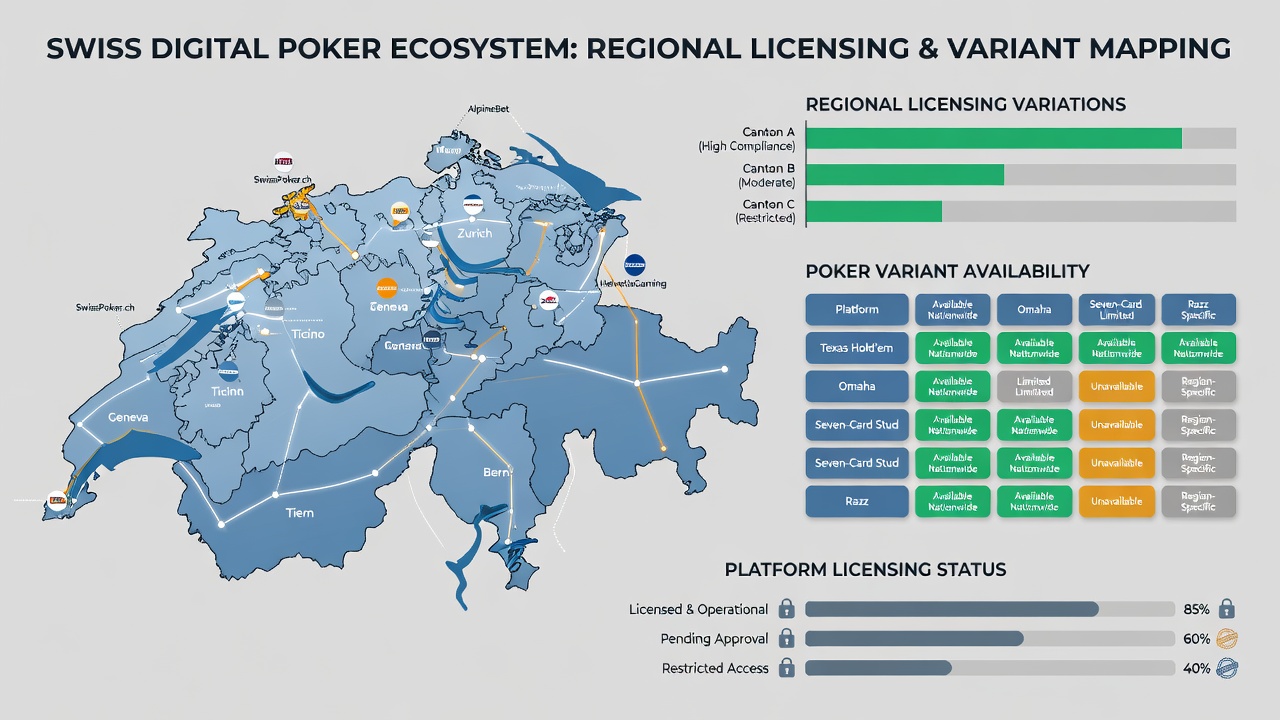
November 2026 marks the next scheduled review cycle for several multi-canton license bundles, and figures from the Intercantonal Supervisory Authority suggest operators will submit updated variant portfolios during that period. Early submissions already indicate increased interest in mixed-game rotations that combine Hold'em with Omaha elements, reflecting adjustments to player demand data collected through licensed platforms.
Operational Impacts on Platform Catalogs
Platform operators adjust their game libraries based on the narrowest license they hold across regions they serve, which produces situations where a user in one canton sees fewer options than a user in another even when accessing the same app. Studies of transaction logs from 2024 and 2025 show that players in cantons with broader variant approvals spend more time on multi-table sessions involving Omaha variants, while those in more restrictive areas concentrate activity on standard Hold'em cash games.
According to reports from the Swiss Federal Gaming Board, license conditions frequently specify maximum table stakes and player verification thresholds that differ by variant, and these conditions directly influence which games operators choose to promote in each region. Platforms therefore maintain separate backend configurations that activate or hide variants depending on the detected location of the account holder.
Data Sources and Cross-Regional Comparisons
Analysis of public license registries demonstrates that operators with licenses spanning multiple cantons must reconcile conflicting requirements on game speed, blind structures, and ante formats before rolling out new variants. A Swiss federal compilation of gambling regulations outlines the baseline criteria, while comparative work from the European Gaming Research Network highlights how similar federal-cantonal dynamics appear in other jurisdictions such as Canada and Australia.
Those examining the data find that variant availability correlates strongly with the date each canton first issued online poker licenses, with earlier adopters showing greater diversity in their current offerings. This correlation holds across both cash game and tournament formats tracked through platform APIs.
Conclusion
The mapping of regional licensing variations to poker variant availability across Swiss digital platforms shows a system where cantonal decisions continue to shape player options even after national legislation established unified oversight. Continued monitoring of the November 2026 review cycle will provide further data on how these regional differences evolve as operators submit new variant proposals and authorities refine their approval criteria.