Payment Integration Patterns and Their Effect on Decision Trees Among Users of Licensed Swiss Card Platforms
Erik Griffin · Sep 30, 2026
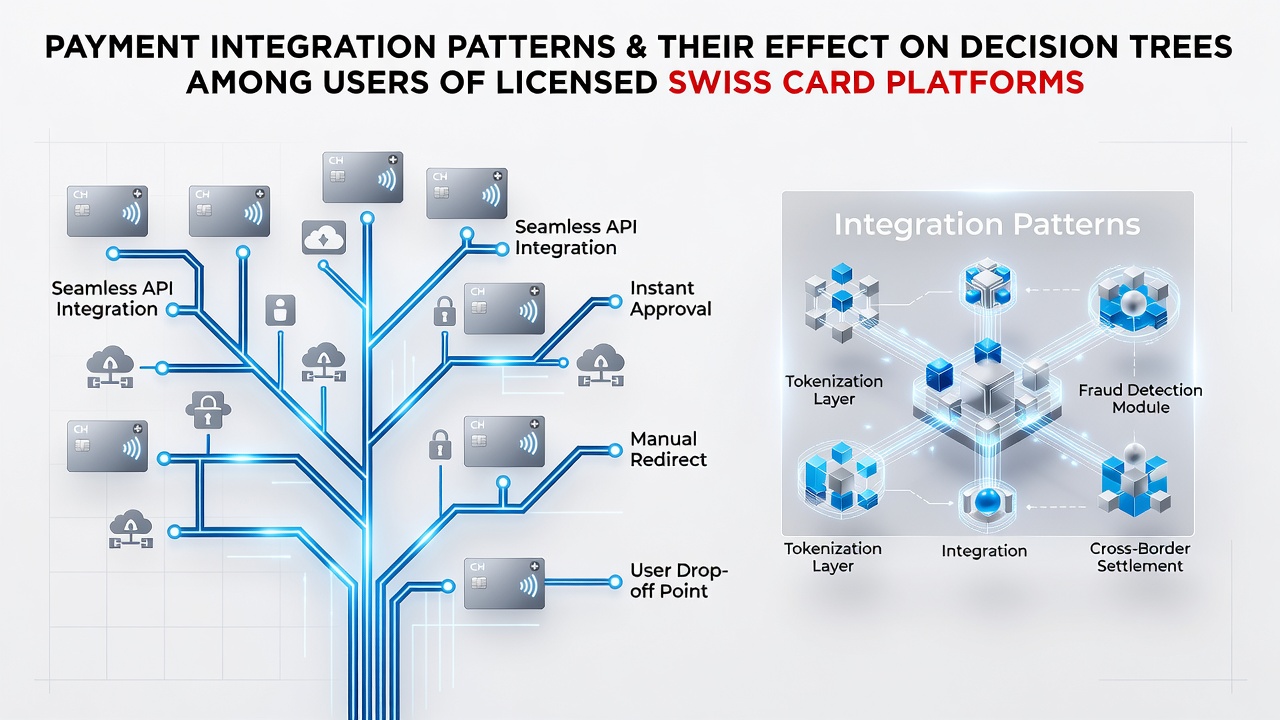
Payment Integration Patterns and Their Effect on Decision Trees Among Users of Licensed Swiss Card Platforms
Payment integration patterns in licensed Swiss card platforms shape how users navigate choices during gameplay sessions, and researchers tracking these systems note clear connections between transaction methods and the branching paths users take when selecting bets or managing bankrolls. Platforms operating under Swiss federal oversight incorporate several standardized payment channels, including direct bank transfers through national clearing systems, e-wallet services approved for domestic use, and instant card authorizations that comply with anti-money laundering requirements. Data collected across multiple operators shows these options do not operate in isolation; instead they create predictable sequences where users weigh processing times against session continuity before committing to a particular strategy.
Standardized Integration Approaches Across Platforms
Operators have adopted modular architectures that allow seamless switching between payment rails while maintaining compliance logs required by the Federal Gaming Board, and this setup enables platforms to route transactions through either legacy bank interfaces or newer API-based wallet connections depending on user preference. Studies conducted by academic teams at institutions monitoring European gaming markets indicate that users who begin sessions with e-wallet deposits tend to maintain shorter decision chains when adjusting bet sizes, whereas those relying on bank transfers often pause longer at each decision node to account for settlement delays. The pattern holds across both desktop and mobile interfaces, with transaction logs revealing that instant card payments correlate with higher frequency of small incremental adjustments rather than larger strategic shifts.
September 2026 marks the scheduled rollout of updated interoperability standards for Swiss-licensed platforms, which will require all payment providers to support real-time status updates visible within the user interface. Those familiar with current testing environments expect this change to compress the time users spend evaluating funding options, thereby altering the early branches of their personal decision trees before any cards are dealt. Figures from pilot programs already show reduced abandonment rates at the deposit stage when status indicators appear immediately after initiation.
Observed Effects on User Choice Sequences
Behavioral datasets compiled from licensed operators demonstrate that payment method selection influences subsequent in-game actions in measurable ways, and analysts mapping these sequences describe them as decision trees where each funding choice serves as a root node. Users who select bank transfers as their primary method frequently extend evaluation periods between hands, allowing extra time for balance reconciliation, while e-wallet adopters move more rapidly through strategy adjustments because funds appear available without additional confirmation steps. Research compiled by the Canadian Centre for Gaming Research highlights similar branching behavior in regulated markets, where transaction latency directly affects how players allocate their attention across multiple tables or tournaments.
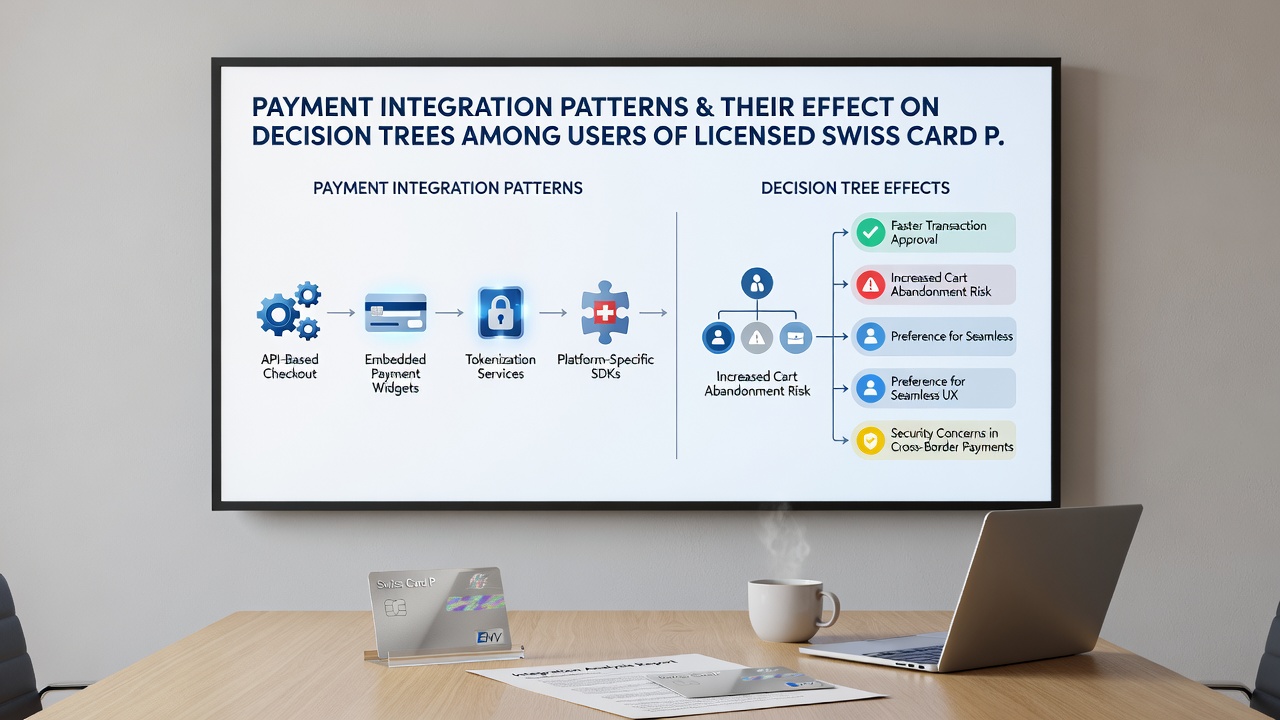
Platform telemetry further reveals that users encountering failed transactions at any integration point tend to revert to simpler betting patterns until the payment issue resolves, and this reversion creates a temporary narrowing of their decision tree until confidence in the funding channel returns. Observers tracking September 2026 compliance milestones anticipate that mandatory real-time notifications will reduce such narrowing events by surfacing problems earlier in the sequence.
Regulatory Context and Data Patterns
Swiss regulations mandate detailed reporting on payment success rates and user retention following each transaction type, which has allowed independent researchers to build statistical models linking integration patterns to long-term behavioral trends. According to reports issued by the Australian Gambling Research Centre, comparable regulatory environments produce consistent correlations between payment speed and the complexity of user-chosen strategies, with faster methods supporting more elaborate multi-step decision processes. Licensed Swiss platforms have incorporated these insights into their interface designs, offering users clear indicators of expected processing durations at the point of selection.
Cross-platform comparisons conducted in 2025 show that operators offering at least three distinct payment rails experience lower rates of session interruption caused by funding delays, and users on these platforms demonstrate broader exploration of betting options once funds are secured. The upcoming September 2026 updates aim to standardize these indicators further, ensuring every integration point displays equivalent information regardless of the chosen rail.
Conclusion
Payment integration patterns continue to function as foundational elements within the decision architectures employed by users of licensed Swiss card platforms, with each method carrying distinct implications for how choices unfold during active sessions. Data gathered through regulatory reporting channels and academic monitoring programs documents these relationships across multiple operator environments, and the scheduled changes for September 2026 are positioned to refine visibility at each transaction node. Those examining the ongoing evolution of these systems note that transaction design directly shapes the pathways users follow when managing gameplay resources, providing a measurable framework for understanding behavioral sequences in regulated card environments.