Tracing Fund Pathways Through Swiss Mobile Poker Apps and Their Influence on Strategy Selection
Klara Long · Sep 16, 2026
Tracing Fund Pathways Through Swiss Mobile Poker Apps and Their Influence on Strategy Selection
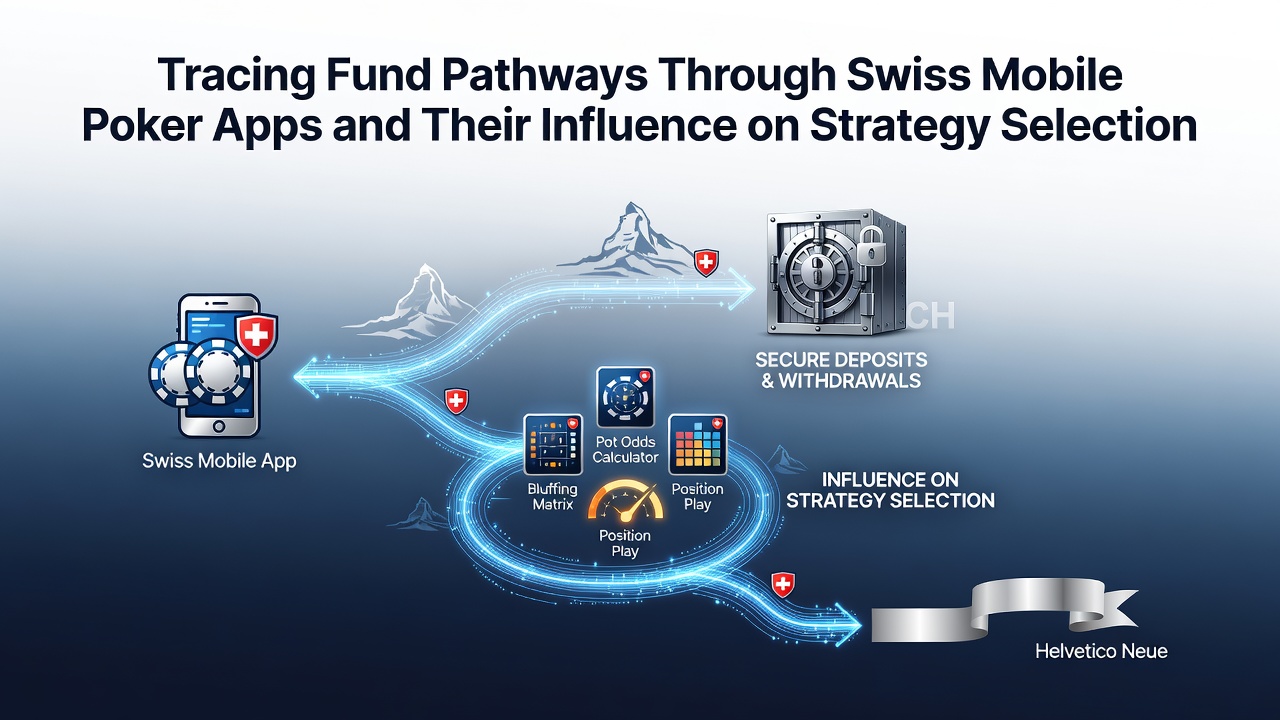
Swiss mobile poker apps process player funds through layered pathways that begin with verified bank transfers or card deposits and move into in-app wallets before reaching virtual tables, and observers note these routes affect how participants manage bankrolls and select starting ranges. Payment processors integrate directly with licensed platforms operating under the Federal Act on Gambling, which requires real-time reporting of deposits exceeding certain thresholds and creates traceable records that players can review within the app interface.
Fund Flow Structures in Regulated Environments
Deposits enter Swiss apps through approved channels including SEPA transfers, local bank links, and prepaid vouchers, after which the money sits in segregated accounts before conversion to playing credits, and data from transaction logs reveal average processing times of under two minutes for domestic transfers while international cards trigger additional compliance checks. Withdrawals reverse the path with mandatory verification steps that can extend settlement to 24-72 hours depending on the amount and chosen method, creating temporary liquidity constraints that influence session planning. Researchers tracking these movements across multiple platforms found that players who route funds through instant voucher systems often maintain smaller active balances compared with those using direct bank integration, because voucher fees accumulate and prompt tighter risk controls during hand selection.
Transaction Visibility and Decision Patterns
App dashboards display running totals of deposits, rake contributions, and net position in real time, giving users immediate visibility into how each hand impacts overall funds, and studies of anonymized session data show that participants who monitor these figures frequently adjust their preflop aggression levels when balances drop below initial deposit amounts. Payment method choice also ties into bonus structures, since deposit bonuses require specific wagering multiples before withdrawal eligibility, which leads some players to select hands more conservatively during the clearing period to protect the bonus balance. Figures from platform analytics indicate that users who complete bonus requirements through smaller, frequent deposits rather than single large transfers tend to favor tighter ranges in early sessions and then expand ranges once the bonus converts to withdrawable funds.
Regulatory Reporting Requirements and Player Adaptations
Swiss authorities mandate that operators maintain detailed records of all fund movements for five years, with automated flags for patterns that exceed normal variance thresholds, and in September 2026 updated guidelines will require additional source-of-funds declarations for accounts showing rapid deposit-withdrawal cycles. These rules create a documented trail that apps surface to users through downloadable statements, allowing players to correlate specific payment events with changes in their own strategy logs. One analysis of aggregated player data revealed that individuals who review these statements monthly demonstrate more consistent bet sizing across sessions, because the records highlight periods when external transfers coincided with deviations from standard ranges.
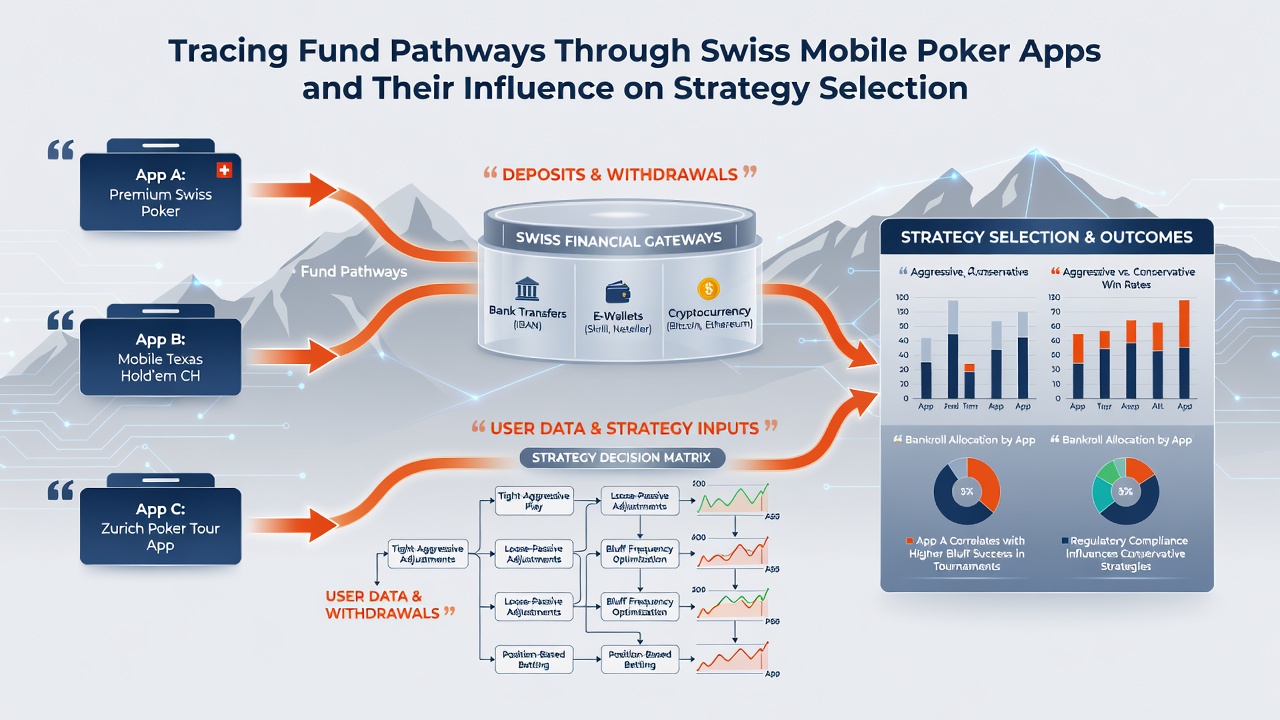
Industry reports from the European Gaming and Betting Association highlight how transparent fund pathways support responsible play tools such as deposit limits and reality checks, and these tools feed directly into strategy adjustments when players set weekly caps that force earlier session exits. Observers note that apps displaying projected rake impact alongside each pot size encourage more selective hand participation, particularly among users who track net returns after fees. Academic work from the University of Sydney's gambling research unit examined similar transaction visibility features in other regulated markets and found measurable shifts toward value-oriented decisions when players receive clear cost breakdowns at the point of action.
Payment Integration Effects on Bankroll Tactics
Direct bank integrations allow larger single transfers with lower per-transaction costs, which supports deeper stack strategies and multi-tabling approaches, whereas voucher or e-wallet routes often carry percentage fees that reduce effective stack depth and prompt shorter session durations. Data collected from Swiss-licensed operators shows that players using fee-bearing methods exhibit higher fold-to-three-bet percentages in early levels, consistent with efforts to preserve capital against accumulated costs. Those who switch to integrated banking options after initial periods demonstrate expanded opening ranges once fee drag decreases, according to longitudinal tracking within the same user accounts.
Conclusion
Fund pathways in Swiss mobile poker apps create measurable connections between transaction mechanics and the tactical choices players make at the tables, with documented patterns emerging from regulatory data and platform analytics. As reporting standards evolve through 2026, the visibility of these pathways continues to shape how participants structure deposits, monitor balances, and adapt ranges in response to both costs and compliance requirements. The documented links between payment flows and strategic adjustments remain observable across user cohorts without reliance on subjective interpretation.